

Mithila Museum
Artist
Collaborations
The future of Mithila painting depends on artists, and for that reason, artist collaboration is central to the Mithila Museum Initiative.
Central to the Initiative
Living Artists as
Essential Voices
This museum is not being conceived only as a place that looks backward. It is being shaped as a future institution that recognizes living artists as essential to the ongoing life of the tradition.
Artist collaborations will therefore play an important role in how the museum thinks, learns, programs, and grows.
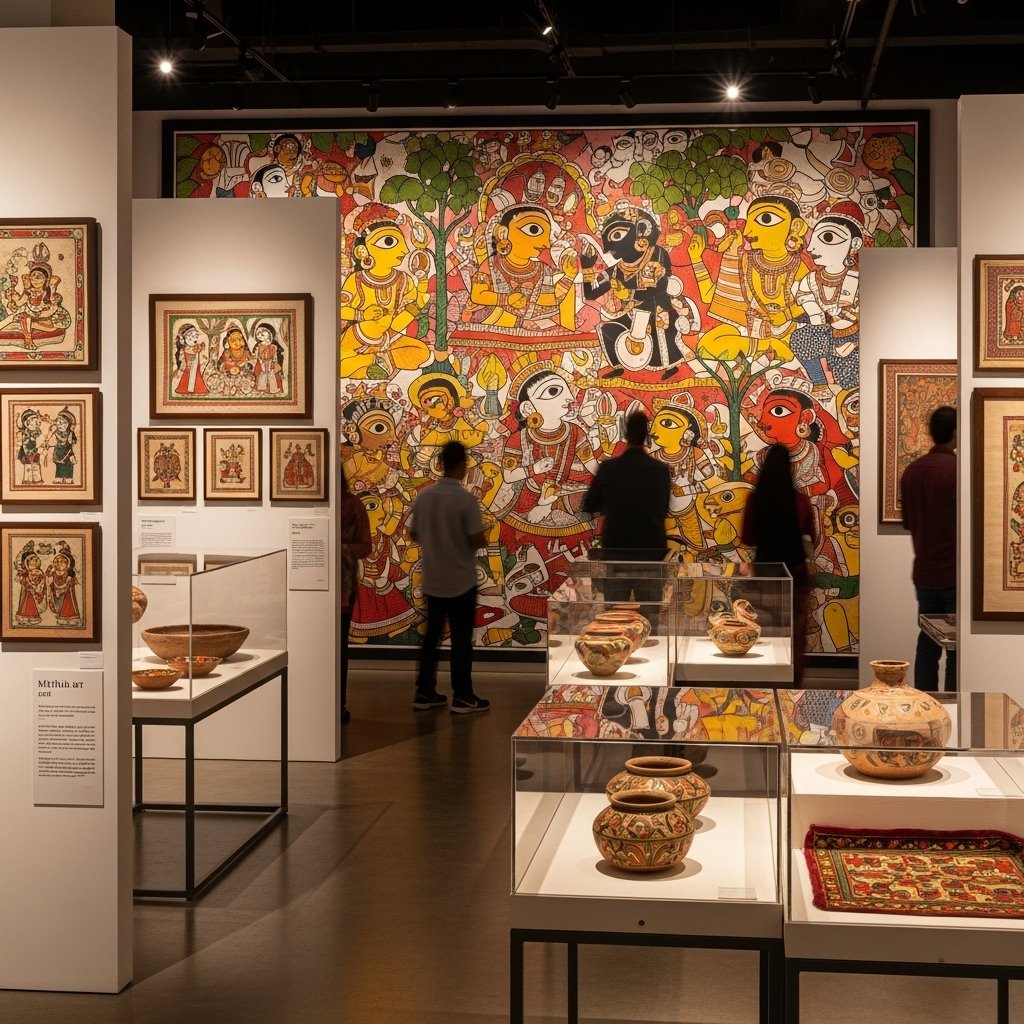
Many Forms Over Time
Artists as Active Voices
in Shaping the Museum
These collaborations may include dialogue with painters whose work reflects different lineages, generations, styles, and thematic concerns. The goal is to ensure that artists are not treated as distant references to a tradition, but as active voices in the shaping of the museum itself.
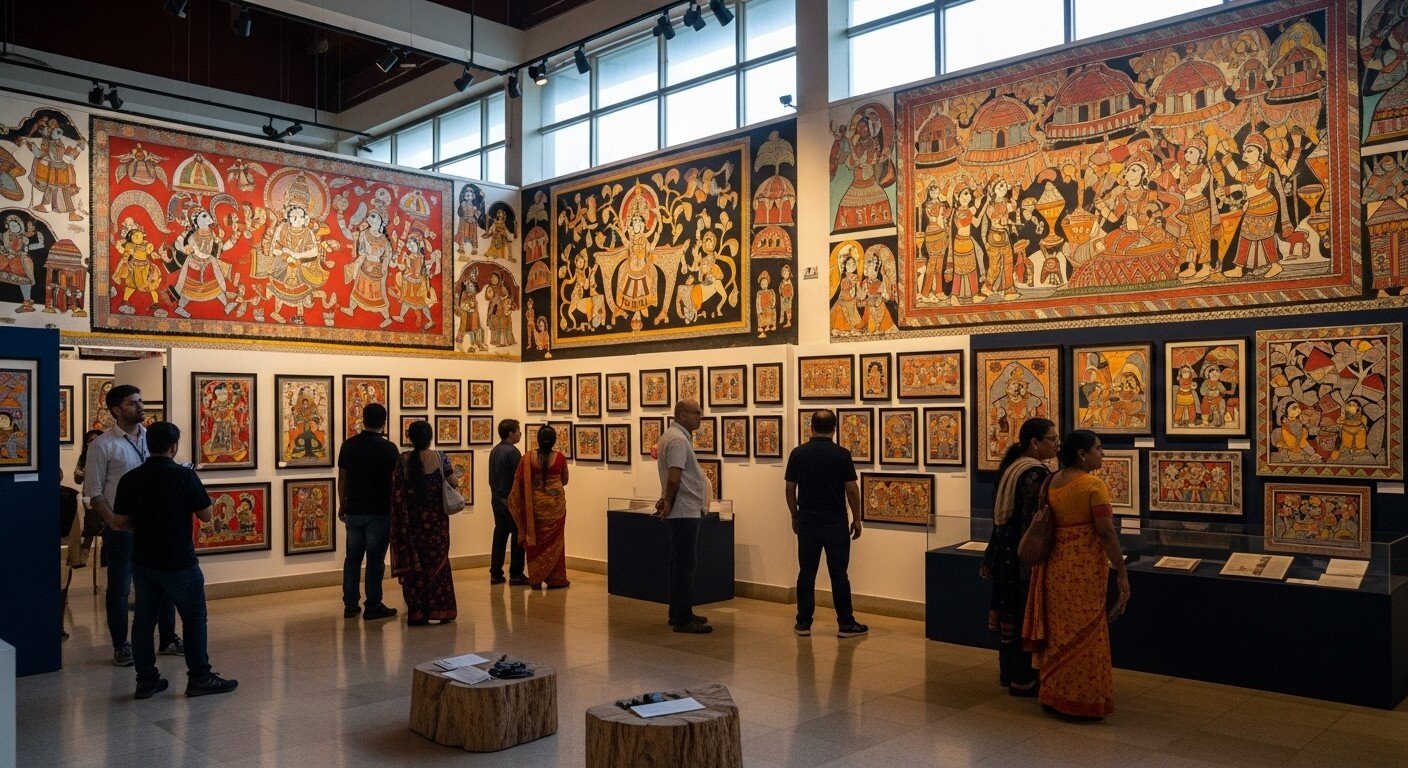
Contemporary Expression
Supporting the
Vitality of the Tradition
Artist collaboration also means creating space for contemporary expression. Mithila painting has evolved across time and context, and many artists today continue to work within inherited visual languages while addressing changing realities.
The initiative seeks to support that vitality by building future structures where artists can be seen, heard, and meaningfully engaged.
Broader Dialogue
Opening into the
Wider AAPI World
As the museum expands, artist collaborations may also open into broader dialogue with selected painting traditions across AAPI communities. These exchanges would be approached with care and specificity, creating opportunities for comparative learning and new forms of visual conversation.
Exchange Around