

Mithila Museum
Our Story
A conviction that some artistic traditions are too important to be treated as secondary.
The Tradition
A Language of Line,
Color & Memory
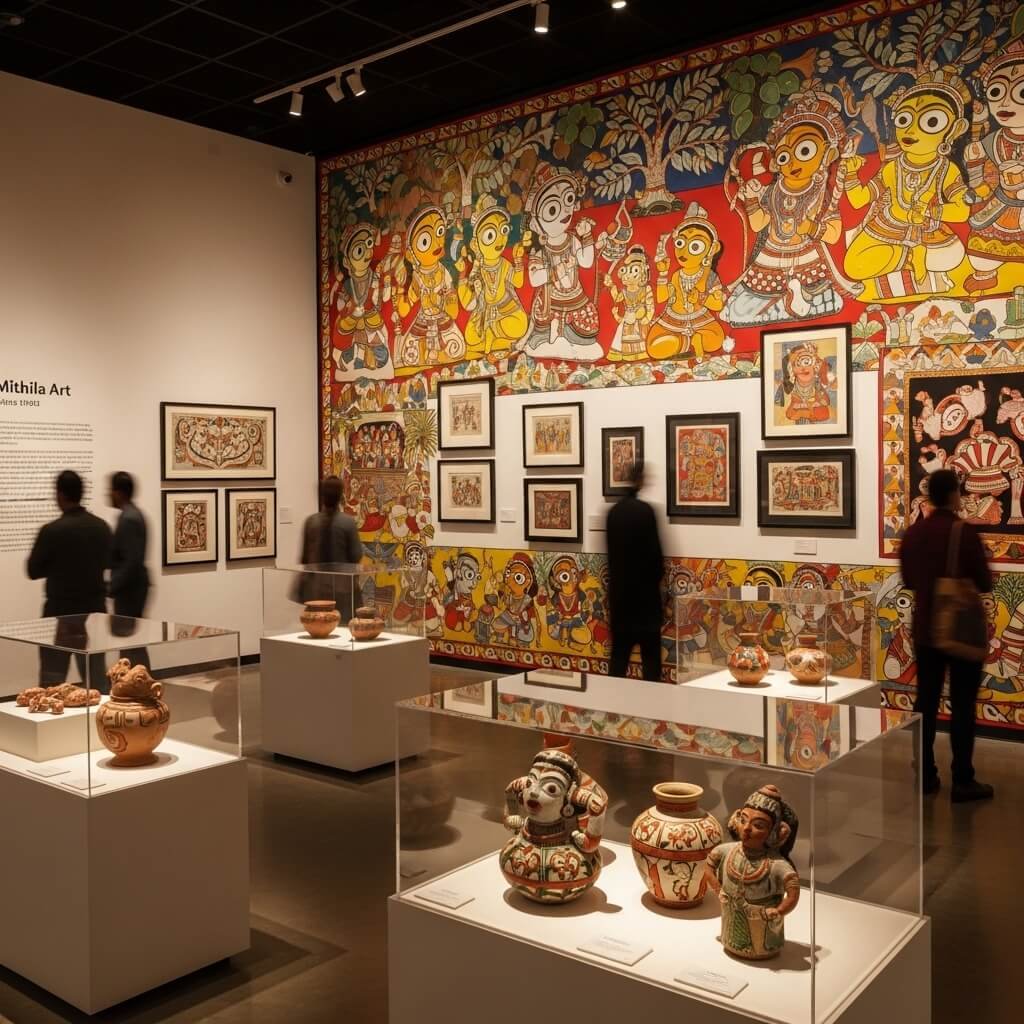
Mithila painting has long held an extraordinary place in the cultural life of the Mithila region. Historically created by women on the walls and floors of homes, it has carried blessings, cosmologies, family histories, sacred symbolism, and community memory through line, color, and form.
Passed from generation to generation, it emerged from intimate spaces, yet speaks in a visual language powerful enough to travel across borders and time.
Our Purpose
Why This Museum Exists
Despite its depth and influence, Mithila painting is still too often misunderstood. It is sometimes flattened into a category of "traditional art"—appreciated for its beauty but not fully recognized for its artistic intelligence, narrative power, and contemporary voice.
That gap in understanding is one of the reasons this initiative exists. Mithila Museum was conceived to help shift that perception.
Its story begins with the desire to create a space where Mithila painting can be centered with the seriousness, care, and ambition it deserves—a place where the tradition is not reduced, explained away, or separated from the artists who continue to shape it.
Continuity & Change
The Resilience
of Tradition
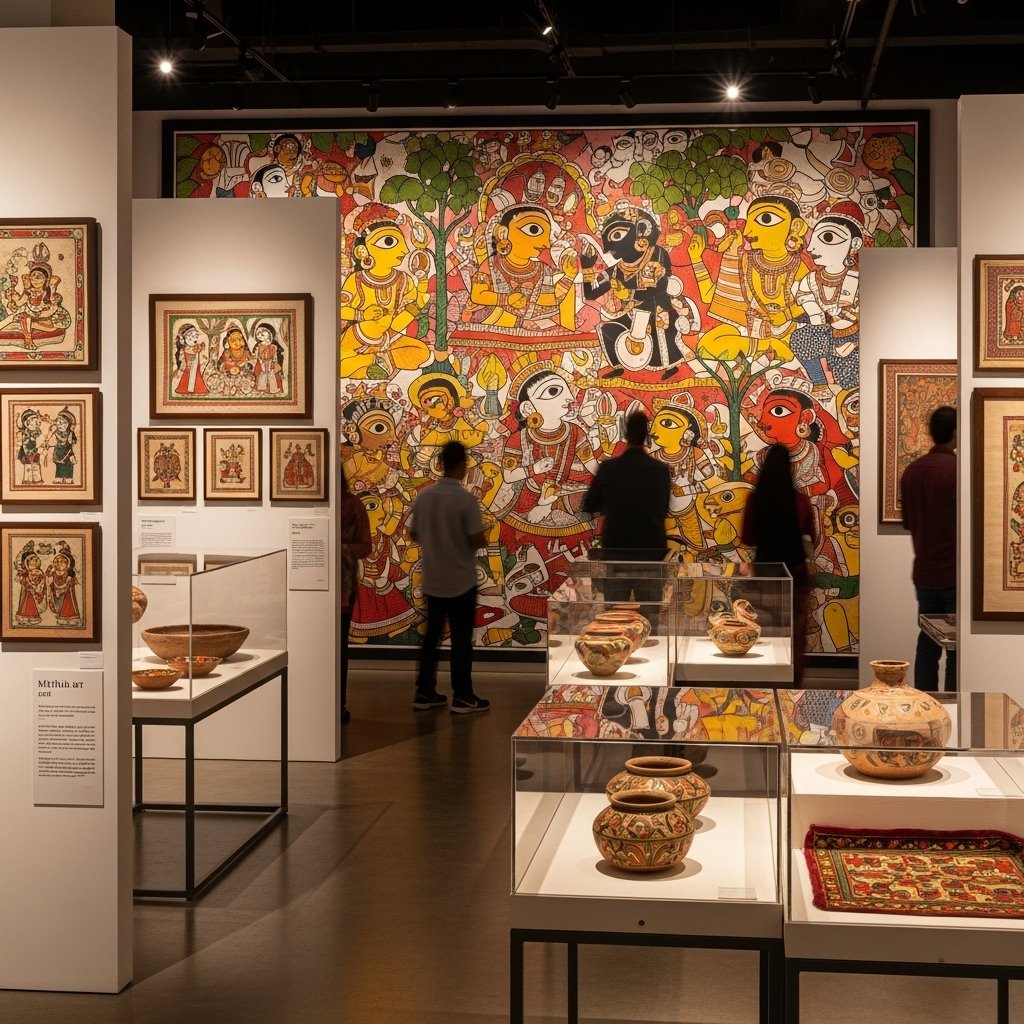
The museum is inspired by the resilience of the tradition itself. Mithila painting has continually adapted while retaining its identity. What began in domestic and ceremonial contexts later moved onto portable surfaces, making it visible to wider publics.
Artists have been empowered to respond not only to sacred themes but also to changing social realities, political moments, environmental concerns, and personal experience.
AAPI Perspectives
A Wider Conversation
Mithila painting is not alone in Asia in carrying memory through image. Across AAPI communities, painting traditions similarly connect domestic space, symbolism, ritual, ancestry, and public imagination.
Korean Minhwa
Folk paintings that decorate homes with symbolic imagery of longevity, fortune, and protection.
Vietnamese Đông Hồ
Woodblock prints rooted in village life, recording festivals, folklore, and social commentary.
Chinese Nianhua
New Year prints that bless homes, teach stories, and evolve with community memory across generations.
These traditions remind us that painting has often served as more than an object of display. It has served as a social language—one that blesses homes, records values, teaches stories, protects memory, and evolves as communities move across regions and generations.
What would it look like to create a museum where Mithila painting is not peripheral, but central—and where its significance can open into meaningful dialogue with other living painting traditions across Asia and the diaspora?
Vision
Our Answer
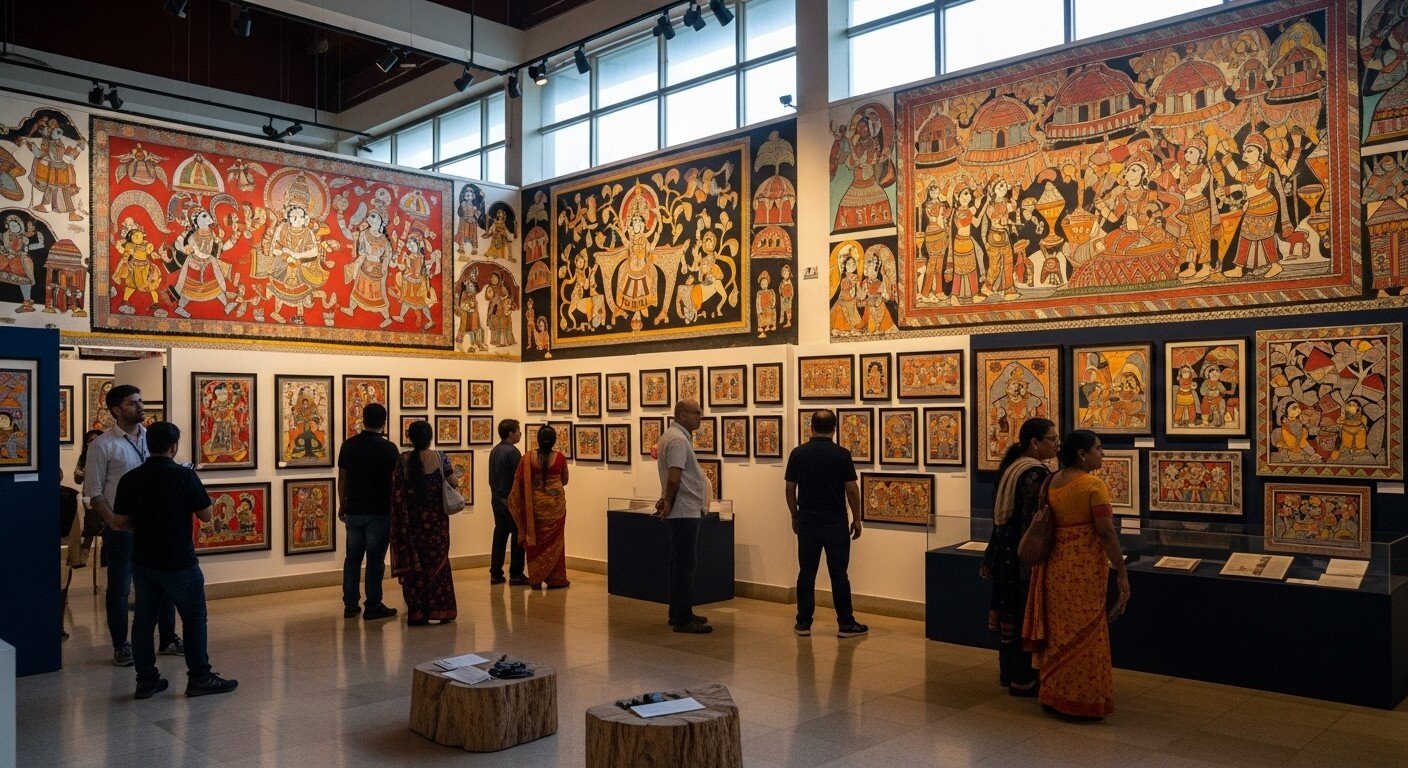
A museum that brings together art, scholarship, storytelling, public engagement, artist support, and cultural imagination. A museum that helps audiences understand where Mithila painting comes from, what it has meant, and what it can become.
A museum that respects lineage while creating room for new expression—one that belongs not only to the past, but to the future.
The Future
Looking Forward
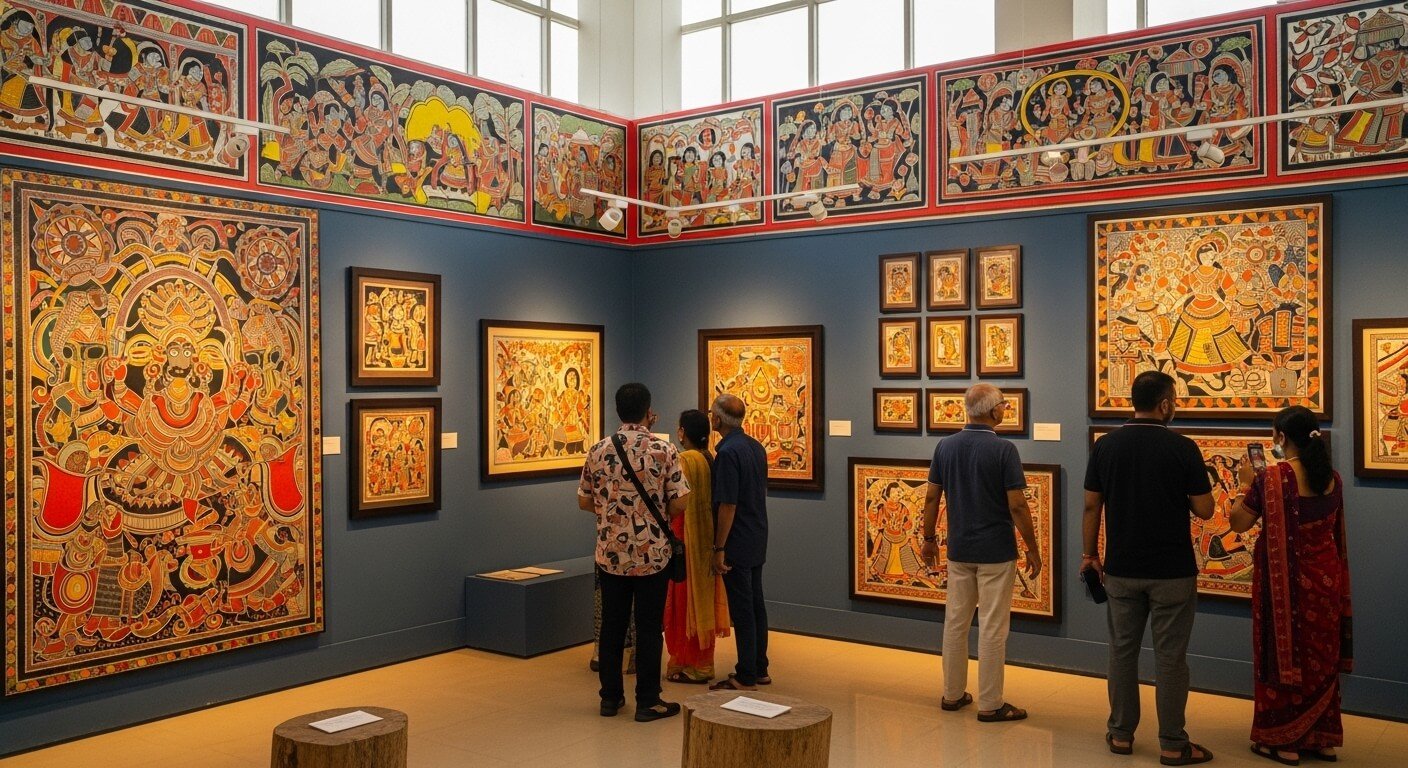
Mithila Museum can grow into a convening space for collaborative practice: a place where artists, curators, educators, scholars, and communities work across traditions.
Through exhibitions, archives, youth programs, public murals, digital interpretation, and interdisciplinary design—the museum's story is about what becomes possible when inherited visual knowledge is given room to evolve.
Our Commitments
What We Stand For
Art & Scholarship
Centering rigorous cultural knowledge alongside living artistic practice.
Community Memory
Preserving the visual languages that carry belonging across generations.
Artist Support
Championing the practitioners who keep these traditions vital and evolving.
Public Engagement
Opening conversations across cultures, generations, and disciplines.